
Dog Harness
Here you’ll find the top-rated dog harnesses on Amazon, categorized by the best features available on the market. We have analyzed each one in detail to help you make the right choice.
Not sure how to choose the right harness for your dog? Scroll down to learn everything you need to know to make the perfect choice for your furry friend.
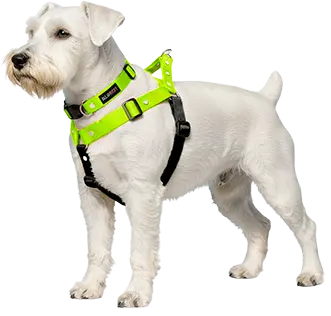
The Best Harness for Dogs
Imagine you’re carrying a heavy box. Would you rather support all that weight with just one finger (the collar) or distribute it across your arms and back (the harness)? The choice is simple. A harness fits around your dog’s chest and torso, spreading the pull of the leash across their body instead of putting all the pressure on their neck.
That’s why, as dog lovers, we often wonder: “Which harness is actually the best?” The answer is rarely straightforward. The truth is, the “number one” harness on the market isn’t a single specific model; it’s simply the one that best fits your dog’s unique anatomy, behavior, and needs.
One thing is certain: choosing the right harness is vital for your dog’s safety, comfort, and control. Below, you’ll find the most important factors to keep in mind when picking the best option for your furry friend.
How to Choose the Best Harness for Your Dog?
With so many different dog harnesses on the market today, it can definitely feel overwhelming. No matter how many options you see, the key is to focus on your dog’s specific needs—such as their size, breed, leash behavior, and any particular features you’re looking for.
This is the most important factor to consider. Choosing the wrong harness can lead to chaotic walks and put both your dog and those around you at risk.
The Front Clip Harness: This is an excellent choice for dogs that tend to pull on the leash or show reactivity toward other dogs during walks.
The Back Clip Harness: This is a great option for long walks with calm, well-trained dogs, as well as active outings like running.
Best Tip: You can also find dual-clip harnesses on the market. In fact, you’ll find our own right here at Silopets.
Dog size is another crucial factor when choosing the perfect harness. What works perfectly for a small or medium dog could actually be a major drawback for a larger breed.
The Vest Harness: A great choice for toy or small breeds, as it increases the surface area of the harness and provides extra warmth in colder weather.
Heavy-Duty Harnesses: These are highly recommended for large or giant breeds, as they are built with heavy-duty, high-resistance materials.
Pro Tip: A harness with a handle is a must-have for large dogs for control, but it’s also a smart choice for small or senior dogs that might need a little extra assistance from us.
To choose the perfect harness, you also need to consider your dog’s breed and physical traits. For instance, certain breeds have respiratory issues that require a specific type of harness to ensure they can breathe easily.
The Y-Shape Harness: This is the safest option because it distributes pressure away from the throat and trachea, significantly reducing the risk of tracheal collapse.
The H-Shape Harness: This style is similar to the Y-shape but features a distinctive “H” pattern across the back. It typically includes dual leash attachment points for added versatility.
Pro Tip: These are excellent options because they respect your dog’s anatomy, allowing for full shoulder movement without any chafing or restriction.
You can also choose a harness based on specific features that cater to your dog’s unique needs or your own lifestyle.
Service Dog Harnesses: An assistance dog can’t just use any harness; they require gear specifically designed for the job.
Reflective Harness: A must-have for safe nighttime walks.
Escape-Proof Harnesses: Designed specifically for “escape artists” and an excellent choice for tripawds (dogs that have lost a limb).
Waterproof Harnesses: Perfect for outdoor adventures where there’s a good chance of playing in the mud or splashing in the water.
All Set Harness: For dogs (and owners) who love to stay coordinated with a matching harness, collar, and leash set.
Summary
As you’ve seen, there are countless options on the market, often featuring a combination of these traits. You might find a Y-shaped harness with a front-clip, or a vest harness with a built-in handle. The key is to identify your dog’s most important needs and choose the one that best supports their safety and comfort.
Regardless of the many features available to us as manufacturers and pet owners, we believe the ultimate choice comes down to these three essentials:
1- A Y-shaped design for the unparalleled comfort and ergonomic support it provides.
2- The right weight for the job: Lightweight materials for small to medium breeds, and robust, heavy-duty construction for large dogs.
3- Dual-clip functionality: A harness with both front and back attachment points offers the maximum versatility needed for both training and everyday walks.
Different Types of Dog Harnesses
In this section, we’re going to break down the different types of dog harnesses available on the market today, categorized by Specific Features and Dog Size.
As you know, the best choice depends on several factors—essentially choosing the “Harness by Need.” But don’t worry! You’ve already learned the four key factors to keep in mind when selecting the right one for your furry friend.
If you still have questions, scroll down to our FAQs section, where you’ll find a complete list of the most relevant questions about dog harnesses.
Harnesses by Basics and Special Features

No Pull (Front Clip)

With Handle

For Service Dogs
Harness and Leash Set
Escape Proof
Vest Harness
Heavy Duty
Reflective
Waterproof
For Cars
Harnesses by Size
For Small Dogs
For Medium Dogs
For Large Dogs
Frequently Asked Questions About Dog Harnesses
The key to ensuring your best friend walks safely and comfortably isn’t about guessing; it’s about measuring. The best part? You only need two minutes and a measuring tape. Consider this: if a harness is too large, your dog could easily slip out and face potential danger. On the other hand, if it’s too small or tight, it can cause skin irritation or prevent them from breathing properly.
How do I measure my dog’s chest? All you need to do is find your dog’s chest circumference. Here is how to do it correctly:
1- Find the Widest Point: Locate the widest part of your dog’s chest, typically right behind the front legs.
2- Use a Measuring Tape: Wrap a soft measuring tape around this area. Ensure the tape is level all the way around and not twisted.
3- The Two-Finger Rule: This is the golden rule! Make sure you can fit one or two fingers comfortably between the tape and your dog’s body. This ensures the harness will be snug but comfortable.
4- Compare and Choose: Use this measurement to check the manufacturer’s size chart. Pro Tip: If your dog is between two sizes, we almost always recommend choosing the larger size for a better fit.
With this single measurement, you’re now ready to choose the perfect accessory to make every walk a happy and safe experience. Remember: Measure twice, buy once!
Keep this in mind: even a high-quality harness won’t perform correctly if it doesn’t fit properly. Your dog’s safety and comfort depend on these essential criteria:
1- The Two-Finger Rule: You should always be able to fit two fingers comfortably between the harness and your dog’s body at all points (neck and chest).
2- The Risks of a Poor Fit: A harness that is too loose allows your dog to escape, while one that is too tight causes painful chafing and restricts movement.
The Y-shaped harness is widely considered the best and safest option. It is highly recommended by veterinarians, especially for small to medium breeds and dogs prone to respiratory issues, such as French Bulldogs. This design is the safest choice because it distributes pressure across the chest and away from the throat, significantly reducing the risk of tracheal collapse.
Also is the most comfortable and safety harness because the straps form a “Y” shape across the chest, ensuring that the shoulders and joints remain completely unrestricted.
Ideal for: Active dogs, athletic dogs (canicross, hiking), and almost any dog in general, as it distributes pressure in the most balanced way possible.
Key Advantage: It fully respects the dog’s natural movement. The pressure from pulling is distributed across the chest rather than the throat or shoulder blades.
I’m going to tell you a secret: there isn’t one single “best dog harness material” for all dogs. The secret lies in knowing the three most common materials and understanding which one is ideal for your furry friend.
MATERIAL
KEY ADVANTAGE
TO CONSIDER
The nylon harness: is by far the best-selling and most popular choice for everyday use.
It’s very durable (resistant to strong pulling) and easy to clean, making it perfect for adventurous dogs or very active puppies.
If your dog has very sensitive skin or very short fur, make sure the nylon is padded in areas where it might rub, such as the chest and armpits, to prevent any irritation.
The neoprene harness: is the ultimate in comfort. Remember wetsuits? It’s the same material!
It’s super soft, flexible, prevents chafing and acts like a cushion. It’s also water-resistant and dries quickly.
This material is less breathable than others. On very hot days, look for a harness that combines neoprene with other fabrics so your dog doesn’t overheat.
Mesh: is a breathable material used in vest-style harnesses or in the inner lining of other harnesses.
It’s very lightweight and cool. Its design allows air to circulate, preventing the dog from overheating. It’s ideal for small dogs andpuppies.
Generally, a harness made solely of mesh is not the most durable option for large or very strong dogs. It’s better suited as a lining or for calm dogs.
For many dog owners, the best harness is the step-in harness. Unlike other models that have to be slipped over the head—something that scares many dogs—this one works very simply:
1- Lay the harness flat on the ground.
2- Put your dog places its front paws in the openings.
3- Lift the sides and fasten the buckle on its back.
This type of dog harness is ideal if your pet is restless or if you’re in a hurry to get to the park.
A poorly chosen harness can be just as dangerous as not wearing one at all. Many pet owners choose a harness based solely on color, unaware that a small detail in the stitching or hardware can make all the difference in an emergency.
Life-Saving Safety Features: look for these key components:
1- Durable Materials: High-quality nylon is the industry standard for strength and durability, especially for strap-based designs. While padding and neoprene offer extra comfort, they are best suited for small breeds or dogs that don’t pull with significant force.
2- Safety Clasps: Look for buckles with a secure locking system. These provide an extra layer of protection, preventing the harness from accidentally snapping open if your dog makes a sudden, powerful movement.
3- 3M Reflective Material: If you enjoy nighttime walks, visibility is vital. In this case, true safety isn’t just about preventing escapes; it’s about ensuring that drivers can see your dog from a distance in low-light conditions.
4- Heavy-Duty Metal D-Rings: Plastic can snap under pressure. High-quality metal is the only material that guarantees a reliable and secure connection between the harness and the leash.
The Bottom Line: A secure harness is one that stays in place. It should allow for total freedom of movement in the shoulders while remaining snug enough to prevent an “escape artist” from backing out. Remember: true safety starts with a design that respects your furry friend’s anatomy.
Definitely. Unlike a traditional collar, a high-quality dog harness safely distributes pressure across the chest and shoulders, protecting your companion’s delicate neck and trachea. Most veterinarians recommend harnesses to prevent long-term injuries caused by pulling.
Also known as an anti-pull harness. The leash attachment ring is on your dog’s chest.
BEST USE: Training and Control
Is most highly recommended by trainers, ideal for dogs that pull bacause when they pulls, the clip gently turns the dog back toward you being a effective way to discourage pulling.
BEST TIP: There are double-purpose harnesses that have clips on the front (for trainning) and on the back (for long walk). You’ll find them here at Silopets.
PROS: Excellent for training your dog to walk beside you and for times when they might pull harder on the leash like a full dog park.
CONS: The leash can get tangled in the dog’s legs if it’s too long or if the dog doesn’t walk properly. Not recommended for long walks if the dog is not used to wearing it.
This type is the most common on the market and the leash attachment ring is on your dog’s back.
BEST USE: Calm Walks & Small Dogs
If you have good control over your dog and your walks are free of pulling, this is for you.
PROS: These designs respect the dog’s anatomy, allowing full shoulder movement without chafing or restriction.
CONS: If the dog pulls, they can lean into their weight and pull harder.
SUGGESTION: Choose a doble-purpose harness to have the anti-pulling attachment available when you need it.
They has a distinct ‘Y’ on the chest (also called an ergonomic harness).
BEST USE: Natural Movement
Is the safest option because distributes pressure away from the throat and trachea, avoiding the risk of tracheal collapse.
PROS: Respect the dog’s anatomy, allowing full shoulder movement without chafing or restriction, ideal for hiking, running, or active dogs that already walk well.
CONS: Does not offer no-pull control; requires a good training foundation.
NOTE: This is a smart choise to protect the trachea area of our dogs, which is important in small breeds or those with respiratory problems.
They often feature a decorative mesh or fabric.
BEST USE: Comfort for Small/Fragile Breeds
Often made of mesh or soft fabric. Help to distributes pressure over a wide surface area.
PROS: Excellent for cold climates as it offers greater coverage over the body.
CONS: Less durable or less resilient than nylon versions, and may trap more heat in summer.
BEST TIP: For very small breeds and long walks, the mesh can become a little uncomfortable.